
BOAO Product Catalogue
AGV Parking Robot
AGV Parking Robot
AGV Parking Robot
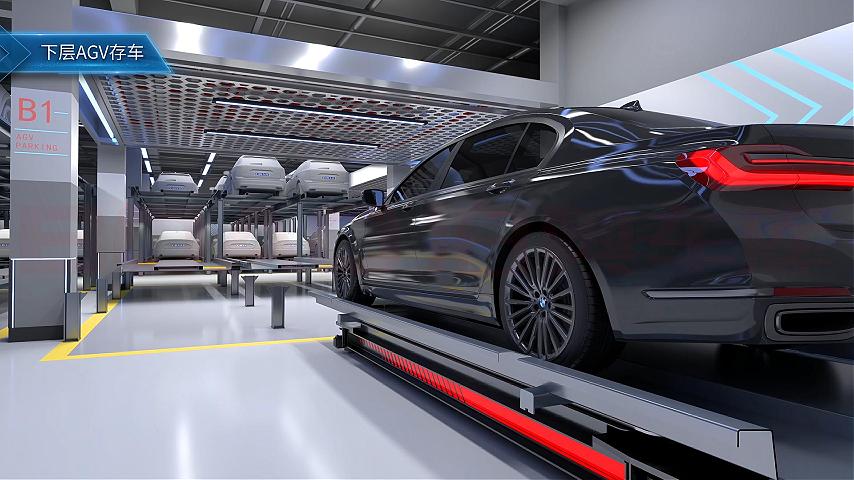
Parking robots and a scheduling system automatically move vehicles to and from storage.
- Multi-robot scheduling and route planning
- Autonomous navigation and obstacle avoidance
- Automatic low-battery charging
- Location and operating-status monitoring
System Overview
Engineering Overview
Visitors operate at a transfer area, and the system assigns tasks and plans robot routes. Robots support autonomous navigation, obstacle avoidance, low-battery charging and coordinated operation. Management tools show location and operating status. These are rated-condition parameters for the illustrated robot; layout, transfer and charging arrangements are project-specific.
Product Advantages
Key Characteristics
Autonomous navigation and obstacle avoidance
Automatic low-battery charging
Location and operating-status monitoring
Configuration Reference
Technical Specifications
- Rated payload
- 3000 kg
- Maximum speed
- 1500 mm/s
- Rated voltage / capacity
- 48 V / 120 Ah
- Charging time after full discharge
- ≤2.5 hours
- Communication
- Wi-Fi
- Robot weight
- 1500 kg
- Battery type
- Lithium iron phosphate
- Full-load operating time
- >8 hours under rated conditions
- Safety protection
- Laser / emergency stop
Final product parameters and configuration must be confirmed for the specific project.
Selection Guidance
Robot and system roles
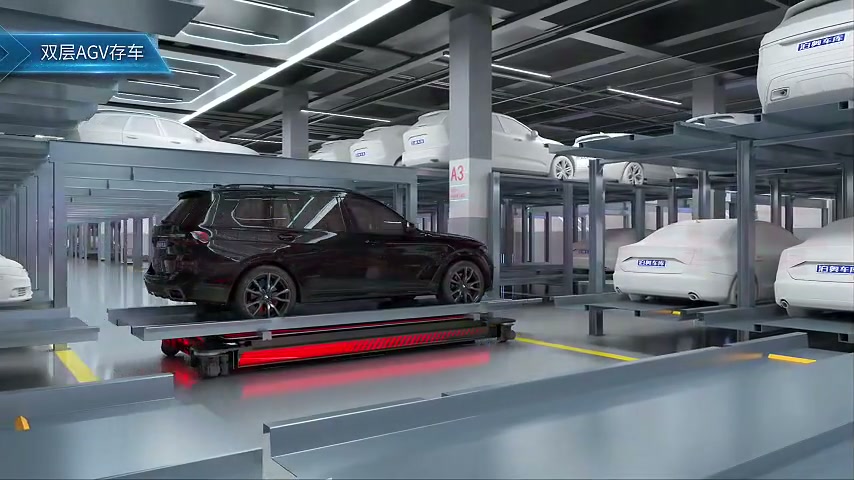
Drivers use a transfer area while the scheduling system assigns tasks and plans routes for the robots. The robots transport vehicles between transfer positions and storage spaces. Vehicle handling, circulation routes and the management system should be considered together when planning the Parking System.
Operating considerations
The listed robot supports coordinated operation, navigation and obstacle avoidance. Its automatic low-battery charging refers to charging the robot itself. The number of robots, route layout, transfer positions and charging arrangements are developed around the site and the expected flow of vehicles.
Information to share
Provide parking-level drawings, access and transfer locations, the range of vehicle dimensions and weights, target capacity and expected peak movements. Include available floor conditions and any constraints affecting routes. Use the rated values for the illustrated robot as a reference when discussing the final configuration.
System Demonstrations
AGV Parking Robot
See the AGV parking robot transport vehicles between transfer positions and storage spaces.
View DemonstrationRelated Products
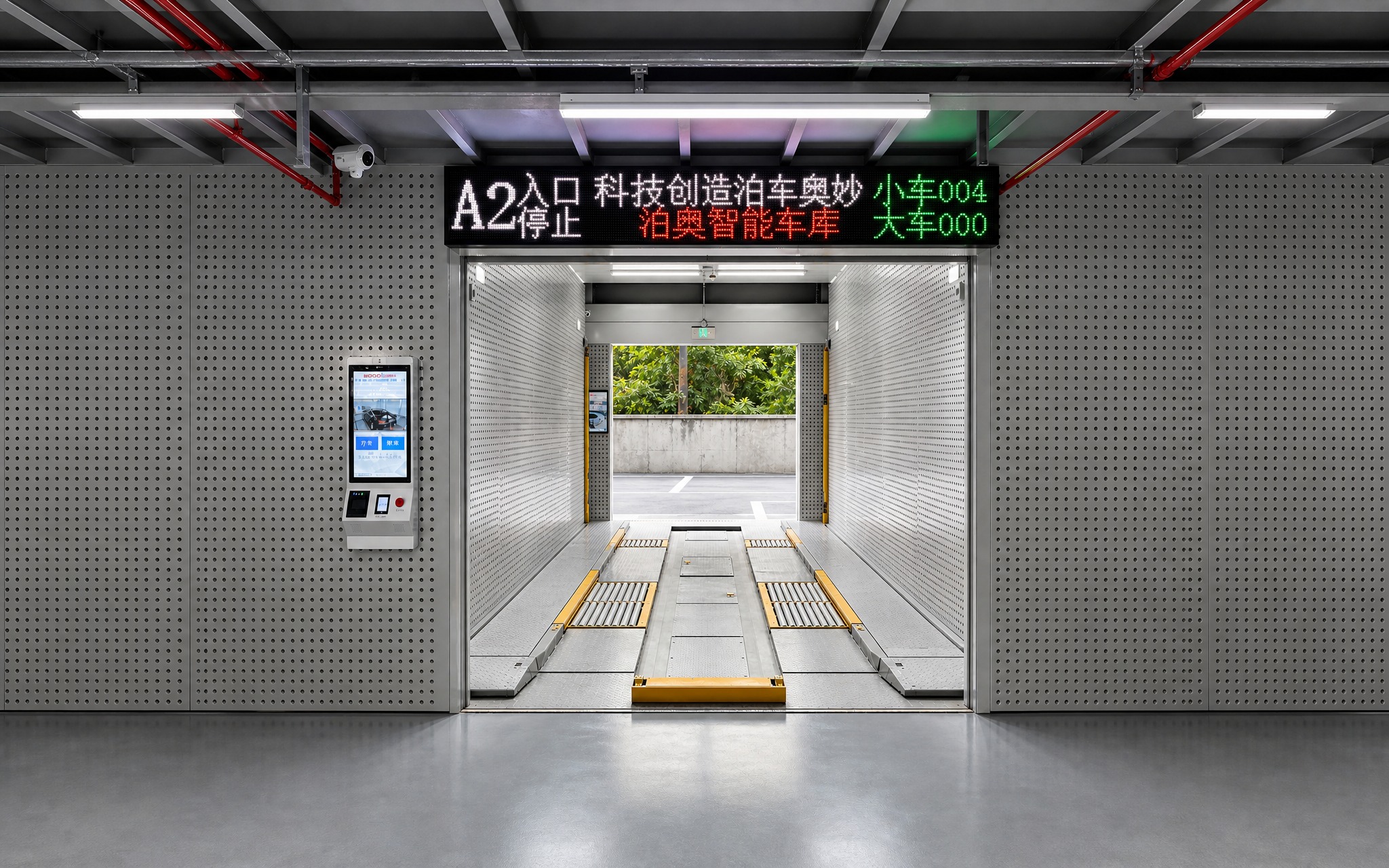
Planar-Moving Intelligent Parking System
Planar-Moving Intelligent Parking System
Transport Trolleys, Parking Robots, Lifts
View Product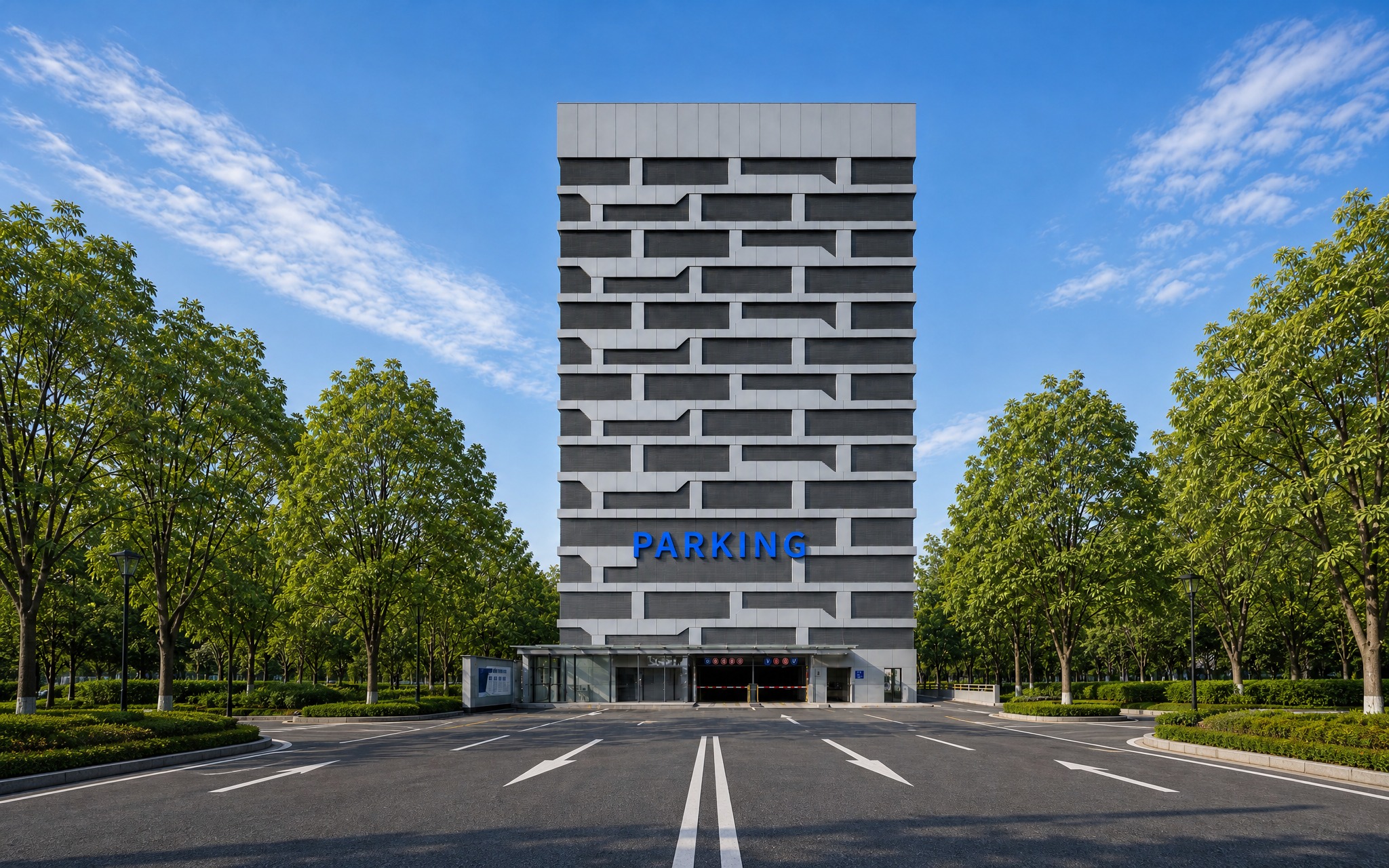
Vertical Lift Intelligent Parking System
Vertical Lift Parking System Series-Top Tower
33 Levels with 66 Charging Parking Spaces. Maximizes vertical space utilization
View Product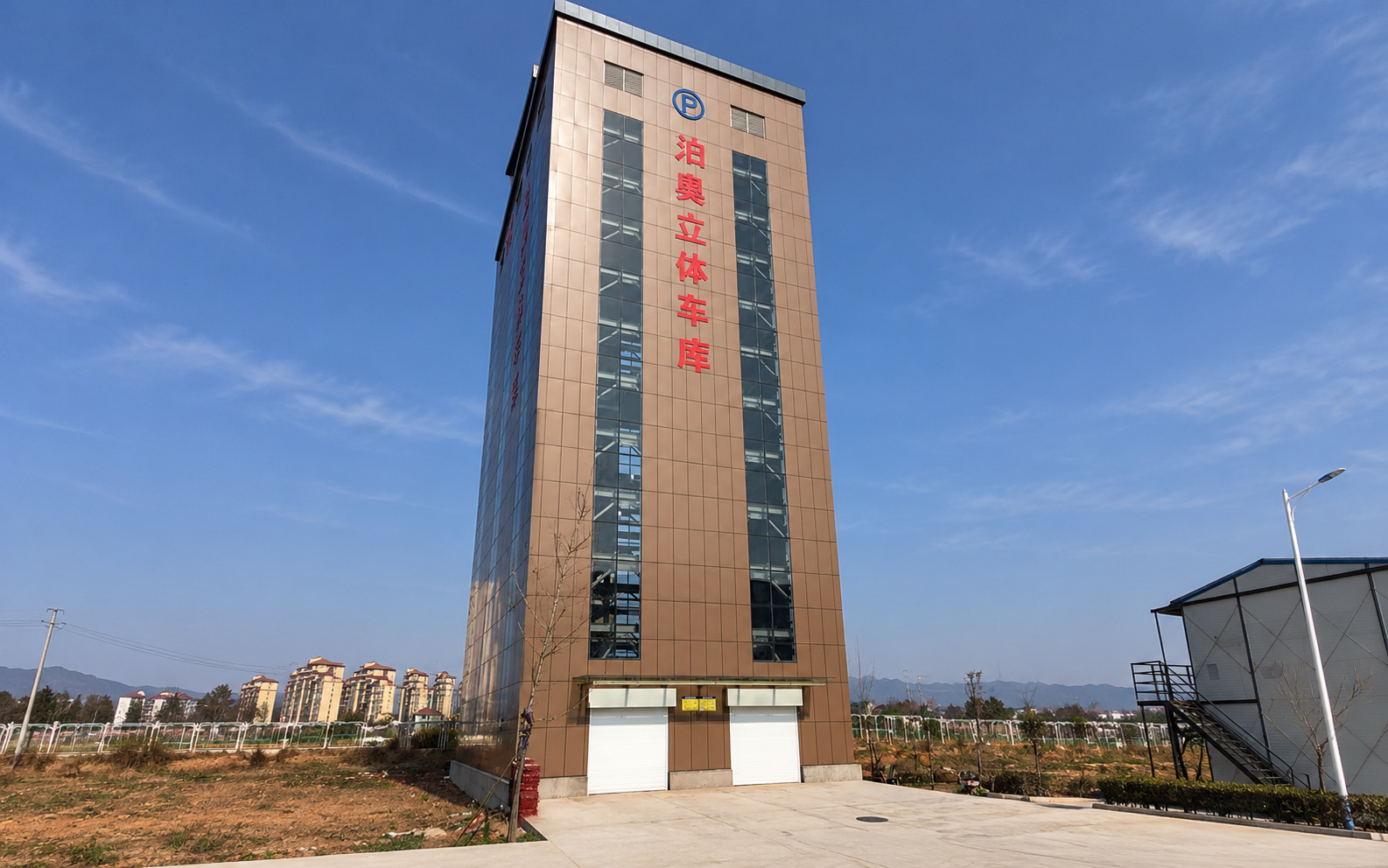
Vertical Lift Intelligent Parking System
Vertical Lift Parking System Series-Large Carriage
Standard two-column or multi-column layouts for higher space utilization.
View Product