
BOAO Product Catalogue
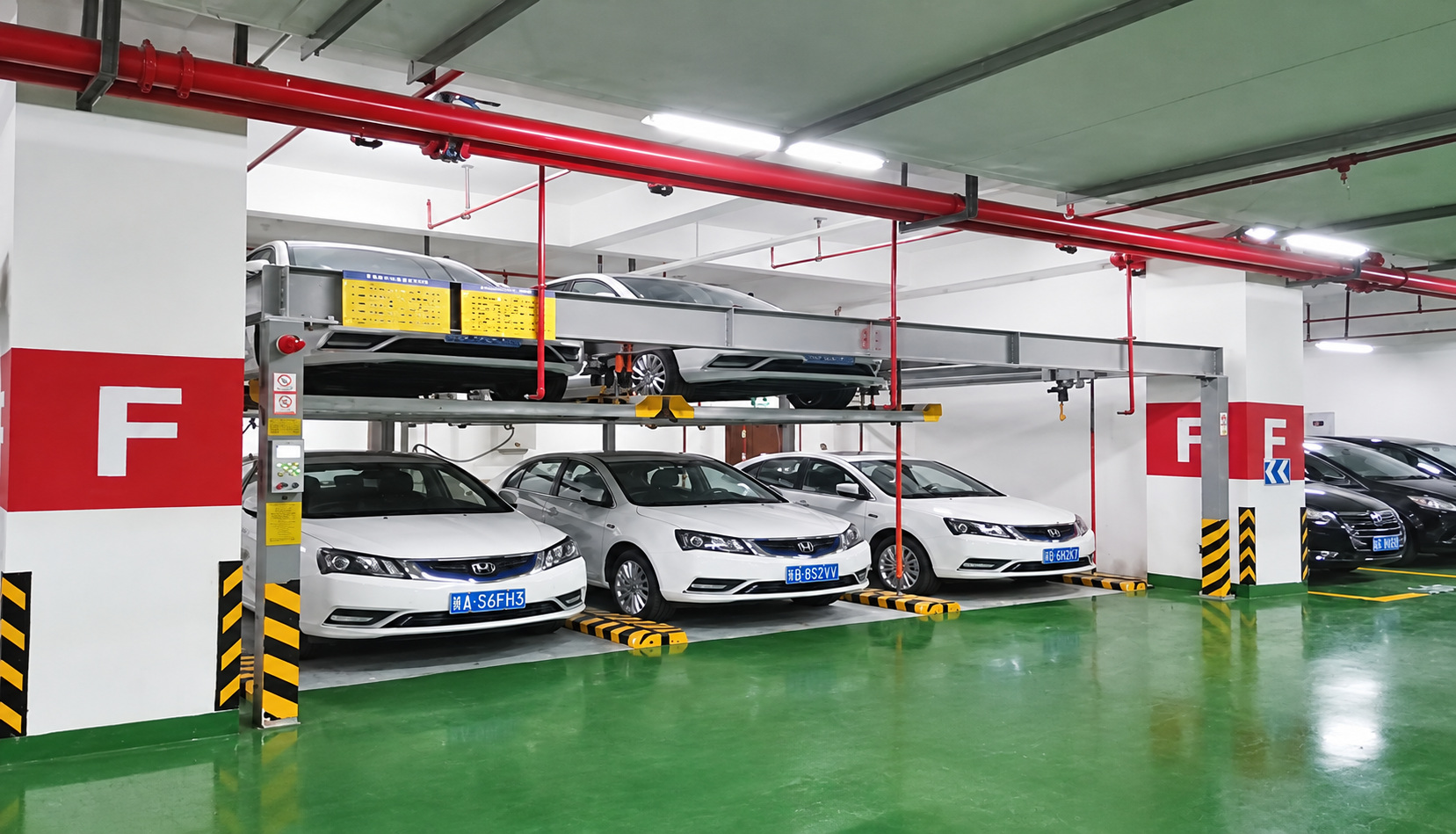
Two-Level Above-Ground Lift-and-Slide Parking System
Multi-level Puzzle Parking System
Two-Level Above-Ground Lift-and-Slide Parking System
2-level lift-and-slide storage uses vacant positions to move platforms to the access level.
- 2 above-ground levels
- Lateral positioning and vertical storage
- Button operation, optional IC card
- Site, vehicle and fire-protection requirements checked
System Overview
Working Principle
Platforms on the ground and intermediate levels move sideways to create a vacant position for the target platform. This 2-level above-ground configuration uses chain lifting. Capacity, vehicle limits and installation height depend on the model and site.
Product Advantages
Key Characteristics
Lateral positioning and vertical storage
Button operation, optional IC card
Site, vehicle and fire-protection requirements checked
Configuration Reference
Technical Specifications
- Model series
- PSH2
- Capacity for N columns
- 2N−1 (N = columns)
- Lift motor
- 2.2 kW
- Lift speed
- 4–6 m/min
- Power
- Three-phase 380 V 50 Hz
- Levels
- 2 above ground
- Lifting method
- Motor-driven chain
- Traverse motor
- 0.2 kW
- Traverse speed
- 8–10 m/min
- Operation
- Buttons / optional IC card
Final product parameters and configuration must be confirmed for the specific project.
Selection Guidance
Two above-ground levels
The PSH2 arrangement uses two above-ground levels, with motor-driven chain lifting and platforms that slide to make a vacant position for access. It is the lowest above-ground level count in this lift-and-slide range, making available clearance an early factor in the comparison.
Plan columns and access
For the reference arrangement, capacity is 2N-1, where N is the number of columns. The vacant position is part of the operating layout, so a column count alone should not be treated as a final space count. Review the entrance and vehicle approach with the proposed columns.
Information for selection
Send site dimensions and sections, clear height, obstructions, target capacity, vehicle dimensions and weights, and the desired access position. Specify the expected use and any preference for button operation or an optional IC card, along with electrical and fire-protection requirements.
System Demonstrations
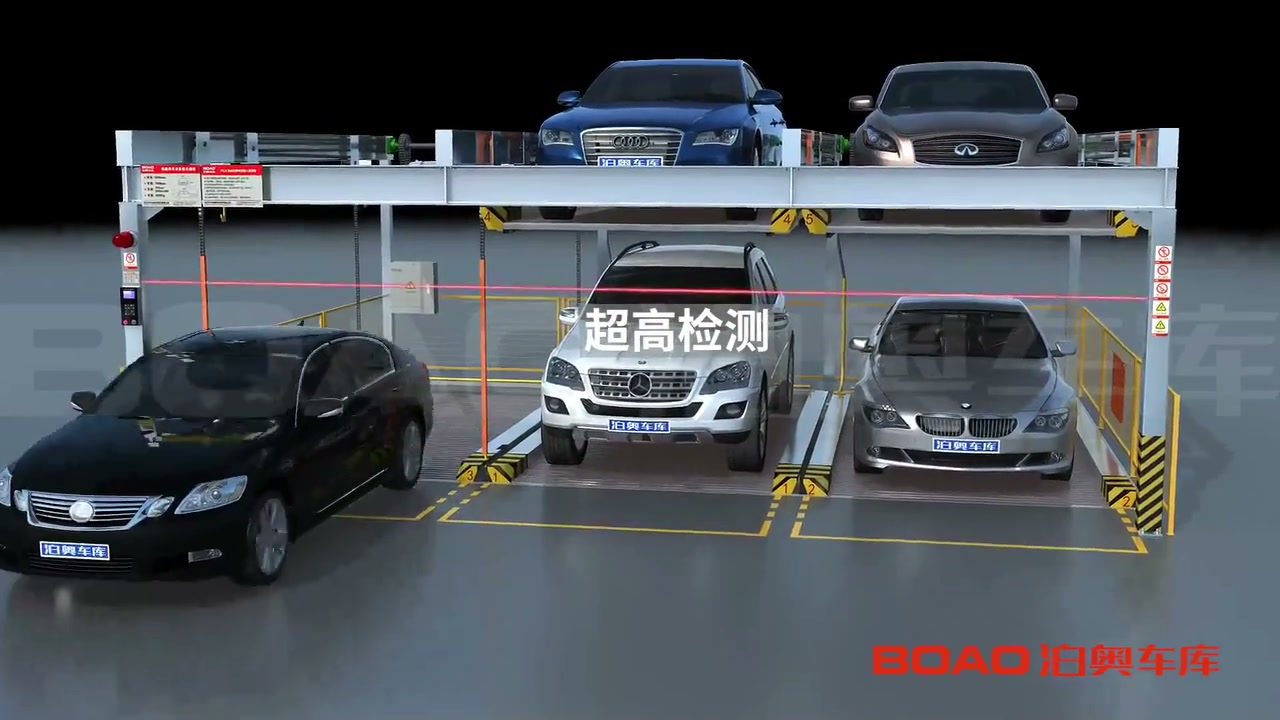
Two-Level Puzzle Parking System
See vehicle detection, platform sliding, and lifting in a two-level lift-and-slide system.
View DemonstrationRelated Products
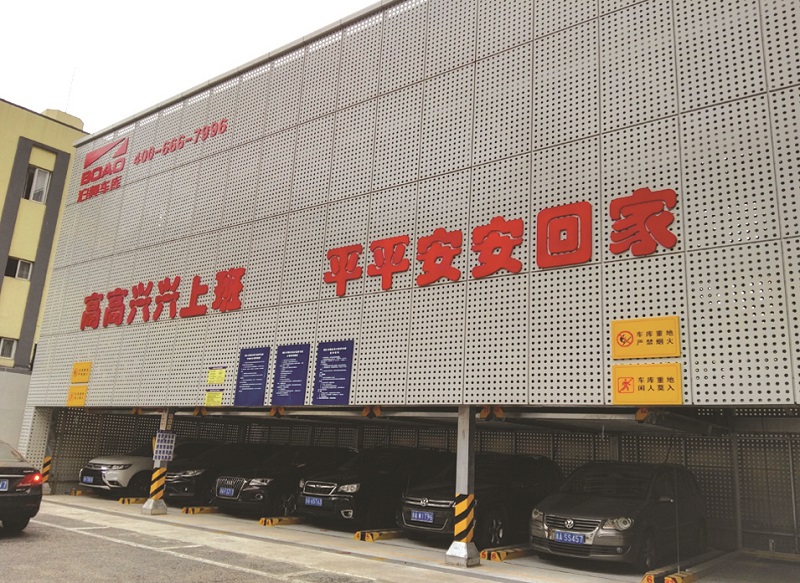
Multi-level Puzzle Parking System
Six-Level Above-Ground Lift-and-Slide Parking System
6-level lift-and-slide storage uses vacant positions to move platforms to the access level.
View Product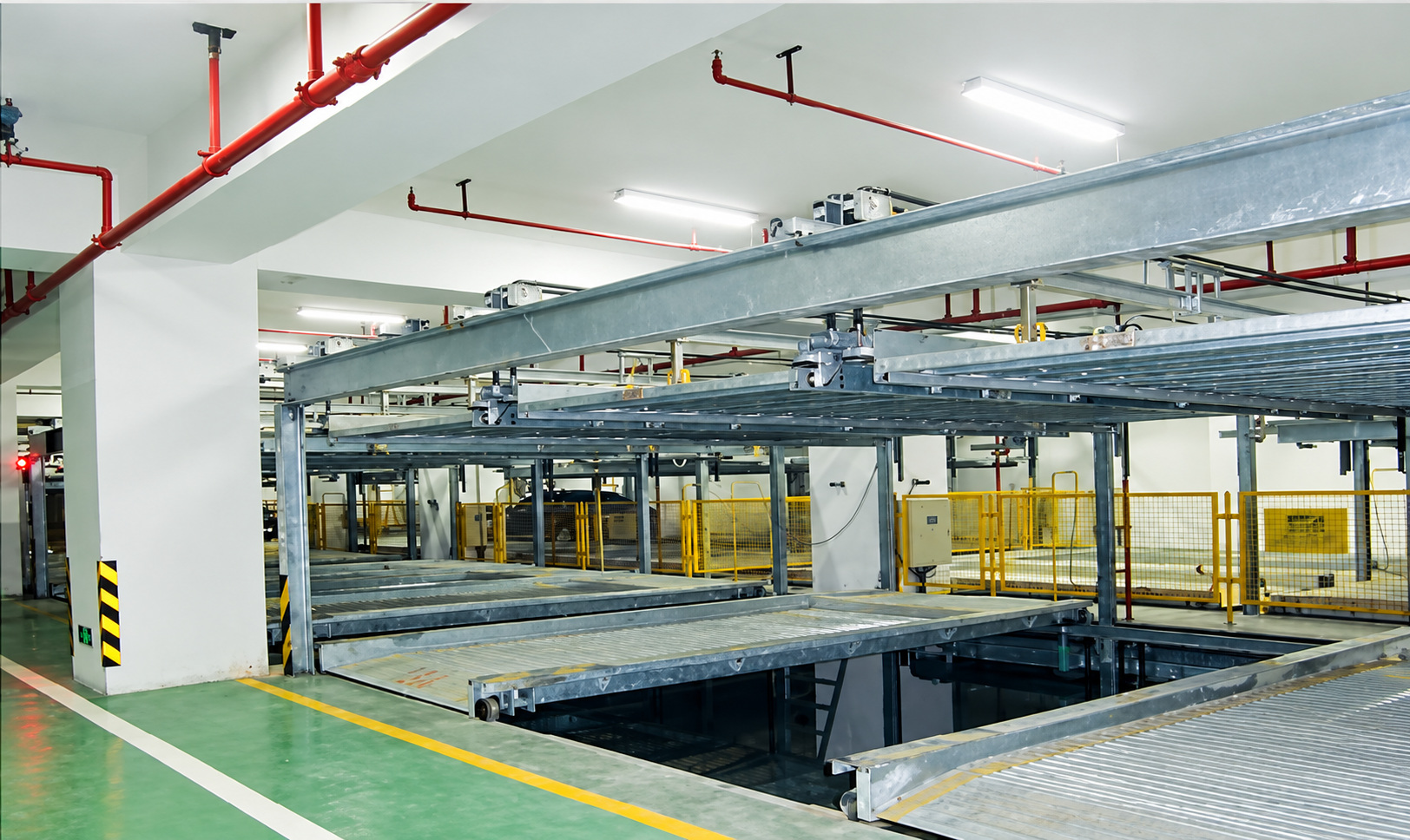
Multi-level Puzzle Parking System
Pit-Type Lift-and-Slide Parking System
Ground and pit levels increase storage through lift-and-slide platform movement.
View Product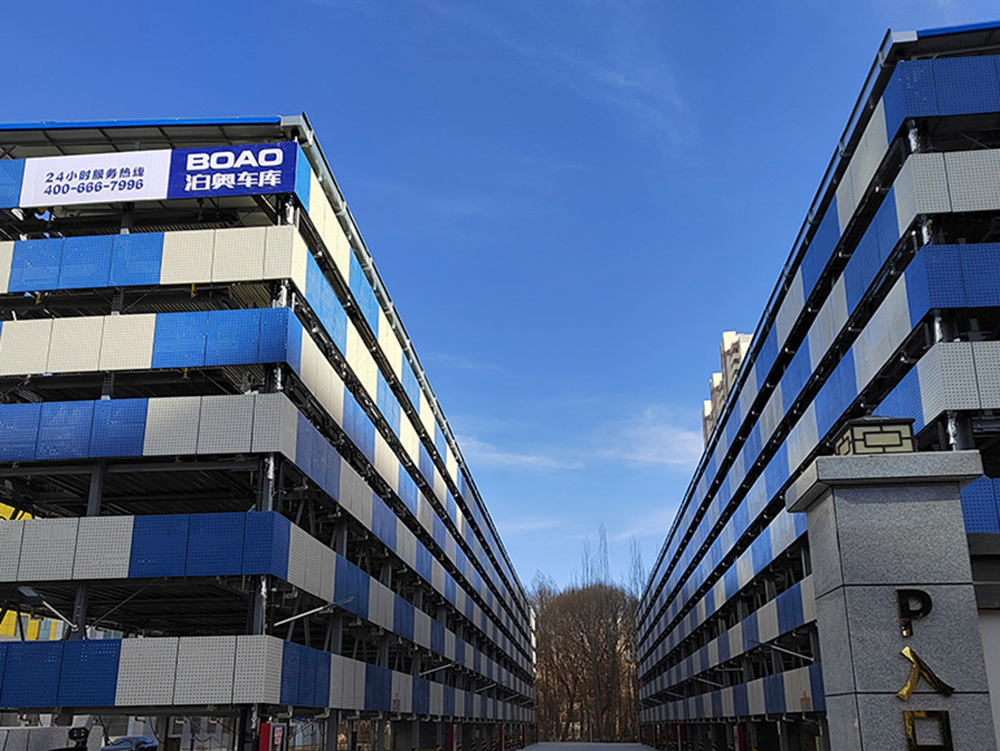
Multi-level Puzzle Parking System
Seven-Level Above-Ground Lift-and-Slide Parking System
7-level lift-and-slide storage uses vacant positions to move platforms to the access level.
View Product